Disclaimer : This article is for informational and educational purposes only. It is based on publicly available information and general user experiences with the Unreserved Ticketing System (UTS) used by Indian Railways. Always verify details through official railway platforms or staff before making travel decisions.
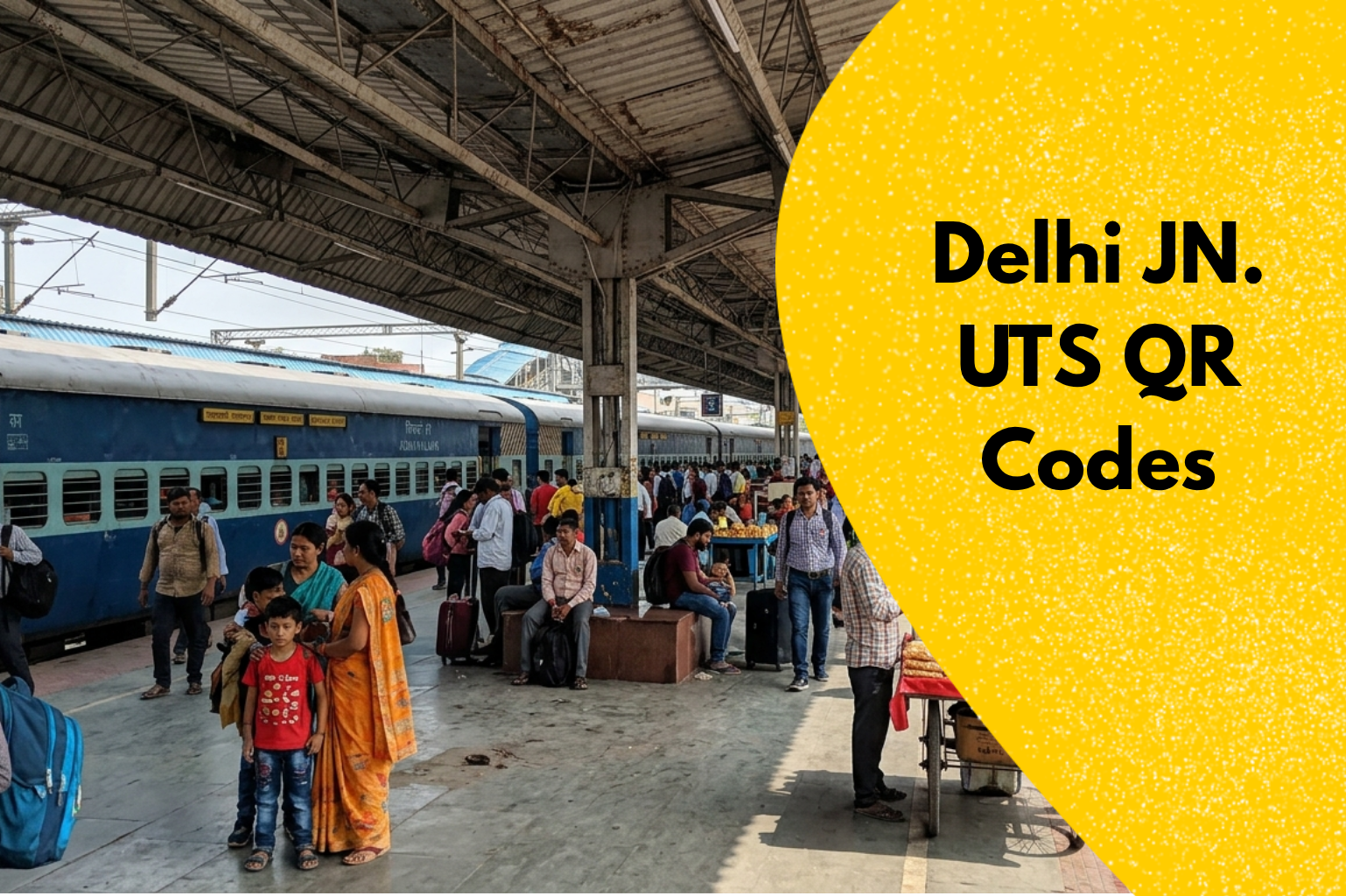
If you’ve ever been to Delhi Junction Railway Station, you already know the scene—crowded platforms, long queues at ticket counters, and that constant rush to catch a train on time. For daily commuters and occasional travelers alike, even buying a simple unreserved ticket can feel like a race against the clock.
This is where the UTS Station QR Code system quietly changes the experience.
Instead of standing in line, passengers can scan a QR code placed at the station and book their ticket within seconds using their smartphone. It’s a small digital shift, but in a high-traffic station like Delhi Jn., it can make a noticeable difference in how smoothly your journey begins.
Understanding the UTS QR Code System
The UTS (Unreserved Ticketing System) is a mobile-based ticketing solution developed for Indian Railways. The QR code version of this system adds an extra layer of convenience by letting users instantly select their station without manual input.
At stations like Delhi Junction, QR codes are typically displayed near ticket counters, entry points, or designated areas. When scanned through the UTS app, the station is automatically selected, allowing passengers to quickly proceed with booking.
The goal is simple: reduce waiting time, minimize physical contact, and promote paperless travel.
According to general railway digital initiatives, this system helps passengers avoid queues and complete transactions digitally, making travel more efficient.
What Makes Delhi Jn. QR Code Usage Unique?
Delhi Junction isn’t just another station—it’s one of the busiest railway hubs in India. Because of that, the QR code experience here often feels slightly different compared to smaller stations.
1. High Passenger Volume
You’re likely to find QR codes placed in multiple locations, but they can still be crowded areas. Knowing where to look (near booking counters or entrances) can save time.
2. Quick Turnaround Needs
Many passengers at Delhi Jn. are in a hurry—changing trains, catching locals, or traveling short distances. The QR system supports this fast-paced environment.
3. Frequent Short-Distance Travelers
UTS QR codes are especially useful for general tickets and short-distance routes, which are common from Delhi Junction.
Step-by-Step: How to Use Delhi Jn. UTS QR Code
Even if you’re not tech-savvy, using the QR code is fairly straightforward.
Step 1: Download the RailOne Super App
As of March 2026, Indian Railways has transitioned to the RailOne app (developed by CRIS). This “Super App” replaces the old UTS on Mobile app, consolidating unreserved ticketing, food ordering, and live tracking into one place. You can download it from the Google Play Store or Apple App Store.
Step 2: Register and Log In
Create your account using your mobile number.
Step 3: Locate the QR Code at Delhi Jn.
Look near ticket counters or station entry points.
Step 4: Select “QR Booking”
Inside the app, choose the QR booking option.
Step 5: Scan the Code
Point your camera at the QR code. The station will automatically be selected.
Step 6: Book Your Ticket
Choose your destination, ticket type, and payment method.
Step 7: Travel with Digital Ticket
No printout is needed—just show the ticket on your phone when asked.
A Real-World Perspective: What Travelers Often Experience
While the system sounds simple on paper, real-life usage at Delhi Junction brings its own nuances.
Some travelers appreciate how quickly they can book tickets without waiting. Others mention that finding the QR code in a crowded area can take a bit of effort.
QR booking is a legitimate alternative for passengers who may experience GPS lag within the station, as scanning the physical code provides an immediate location handshake with the UTS system.
“Use the Book Using QR code option… QR codes are there at all railway station booking counters.”
This highlights how QR scanning becomes especially useful when standard booking methods are limited.
Improving Accessibility in Crowded Areas
Delhi Junction is often densely packed, making it difficult to stand directly in front of a QR code poster for long.
- The Accessibility Strategy: If you find a QR code in a less-crowded entry point, use that one immediately. If you are traveling with a group, have one person identify the code location so others can stay clear of the walking path.
- Note on App Integration: Whether you are using the legacy UTS interface or the updated RailOne Super App, the scanning process is identical. Since RailOne is the official Ministry of Railways platform, your existing UTS R-Wallet balance and login credentials will work seamlessly within it. Using the official app ensures your digital ticket is legally valid for TTE verification.
- Why this helps: This keeps the flow of foot traffic moving near the ticket counters and ensures you aren’t blocking other passengers while you navigate the RailOne/UTS payment screens.
- A Note on Location: Remember that the system uses “Geo-fencing” to ensure you are within the station vicinity. Always ensure you are physically at Delhi Jn. when initiating the scan to avoid technical errors or booking failures.
Benefits of Using UTS QR Code at Delhi Junction
1. Time Efficiency
You avoid long queues, especially during peak hours.
2. Paperless Travel
Digital tickets mean no need to carry printed copies.
3. Simplicity
Scanning a QR code eliminates the need to manually enter station details.
4. Better Travel Flow
Less time at the counter means more time to reach your platform calmly.
Limitations You Should Be Aware Of
Even though the system is helpful, it’s not perfect. Being aware of these minor hurdles can help you plan better.
- Location-Based Restrictions: Some booking methods require you to be away from the station area, though QR scanning is designed to work specifically while you are on-site.
- Network Dependency: Delhi Junction is a massive steel structure that can sometimes interfere with mobile signals. A slow internet connection can delay the QR “handshake.”
- App Transition: Since the full migration to RailOne occurred on March 1, 2026, ensure your app is updated to the latest version. Legacy versions of the standalone UTS app have been decommissioned and may no longer support QR scanning or may fail during the payment process.
- Visibility of QR Codes: In crowded stations like Delhi Jn., QR codes might be partially obscured by queues. If one is blocked, head toward the secondary entry gates where posters are often more accessible.
A Subtle Shift Toward Digital Rail Travel
The introduction of QR-based ticketing reflects a broader move toward digital convenience in Indian Railways.
Reports suggest that mobile ticketing solutions have helped reduce reliance on physical counters and improved passenger flow.
Additionally, evolving platforms like RailOne indicate that this digital journey is still developing, with future improvements expected.
For a station as busy as Delhi Junction, even small improvements in efficiency can have a large impact on daily operations.
Why This Matters to You as a Traveler
If you travel occasionally, the QR code might seem like just another feature.
But if you commute frequently—or travel during busy hours—it becomes more than that.
It’s the difference between:
- Standing in a queue vs. walking directly to your platform
- Rushing at the last minute vs. having a few extra minutes to spare
In a fast-moving environment like Delhi Jn., those small differences add up.
Conclusion
The Delhi Jn. UTS Station QR Code system is not just a technical feature—it’s a practical tool shaped by real-world needs. In a station where time and space are always limited, even a small shortcut can make a noticeable difference.
The key is not just knowing that the QR code exists, but understanding how to use it smartly. Once you do, it becomes one of those small travel habits you won’t want to give up.
Whether you’re a daily commuter or someone passing through Delhi Junction occasionally, this system offers a simple way to make your journey a little smoother—and a lot less stressful.
Frequently Asked Questions (FAQ)
1. Is the Delhi Jn. UTS QR code safe to use?
Yes, QR codes displayed at stations are part of the official ticketing system. They simply help you access the booking feature faster.
2. What should I do if I can’t get close to the QR code?”
If the main counters are too crowded, look for QR codes near the secondary entry gates or platform entrances. The RailOne app requires you to be within the station’s GPS range for the ticket to be valid, so ensure you complete your booking while on-site.
3. Do I need to print the ticket after booking?
No, digital tickets are generally accepted. You can show them on your phone.
4. What type of tickets can I book using the QR code?
Primarily unreserved and platform tickets.
5. What if the QR code is not visible or accessible?
You can still use the standard booking option in the app by manually selecting your station.